

We reseal the joints water finds first.
Expansion, movement and construction joints cut out, primed and resealed — carparks, podiums and slabs across Sydney. Priced per lineal metre.
Get a quote



What is concrete joint sealing?
Joint sealing replaces failed sealant in expansion, movement and construction joints. The old sealant is cut out, the joint is cleaned and primed, a backing rod is set to depth and a new sealant is applied, so water and debris can't get into the joint.
On a carpark, podium or slab the joint is where water gets through first. Done properly, the joint is sized for the movement it has to take, the sealant bonds to two sides only, and it's logged run by run so you know exactly what was done and where.
6 signs your joints have failed.
Failed joints rarely look dramatic from above. The damage shows up underneath — or the next time the slab moves.
An open joint is tomorrow’s concrete repair.
Water through a joint doesn't stop at the joint. It gets to the reo either side, and a cheap reseal turns into concrete cancer work on your program.
Water gets to the steel
Water through an open joint reaches the reinforcement either side. Leave it and the reseal becomes a breakout and patch repair.
Leaks onto live levels
Joints over carparks, retail and plant rooms leak onto cars, stock and services — and the call goes to the builder.
Rework at handover
Joints that leak at inspection or in the first rain hold up handover and come back as defects in the DLP.
Cut it out. Reseal it properly.
We don't run new sealant over the old bead. Every failed run is cut out, prepared and resealed so it moves with the slab.
Map every failed run
We walk the joints, mark each failed run and measure it in lineal metres before pricing. Cracks running off a joint go to crack injection, not under the sealant.
Cut out and clean back
Old sealant and debris come out, the arrises are cleaned back to sound concrete, and broken edges are rebuilt before anything goes in.
Prime, backing rod, seal
Primer to the joint faces, a backing rod set to depth so the sealant bonds two sides only, then the sealant the joint's movement and traffic call for.
Handed back run by run
Runs are handed back as they cure, with the lineal metres logged for your records — and any spalled edges flagged for concrete repair.
The joints we seal.
Scoped as failed runs only or a whole level — staged so the site keeps running.
Why our joints stay sealed.
The cheap reseal goes over the top of the old bead. Here's what doing it properly means for your project.
Recent work, with the numbers.
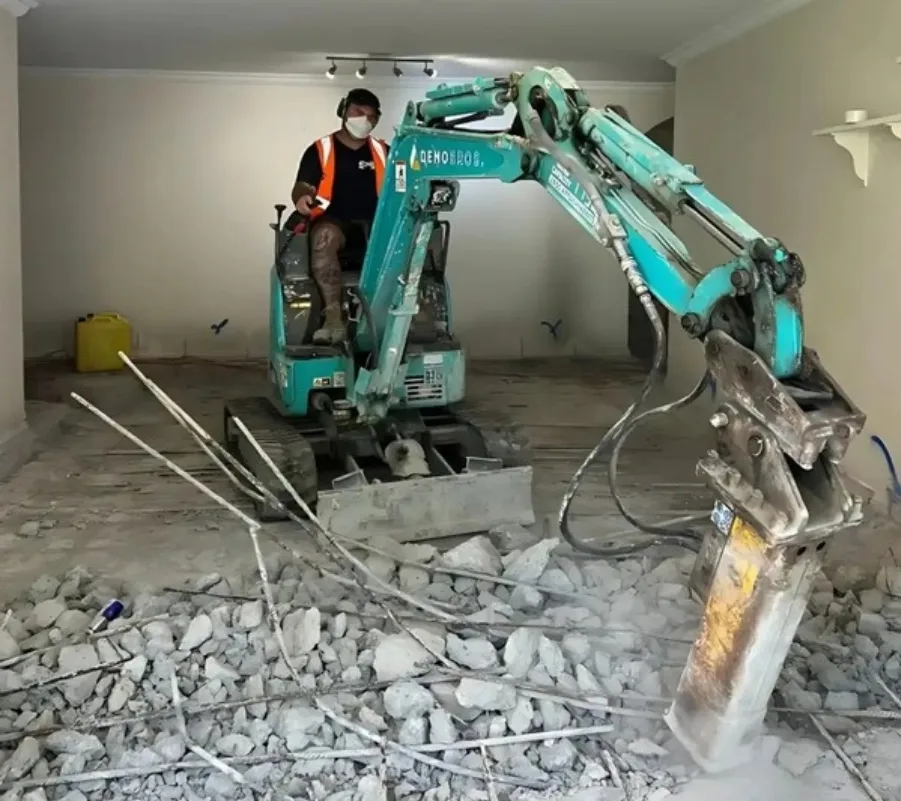
Pacific Hwy — Killara
Slab-on-ground under three occupied levels, broken out and reinstated in A-B stages to the engineer's sequence. No residents relocated.
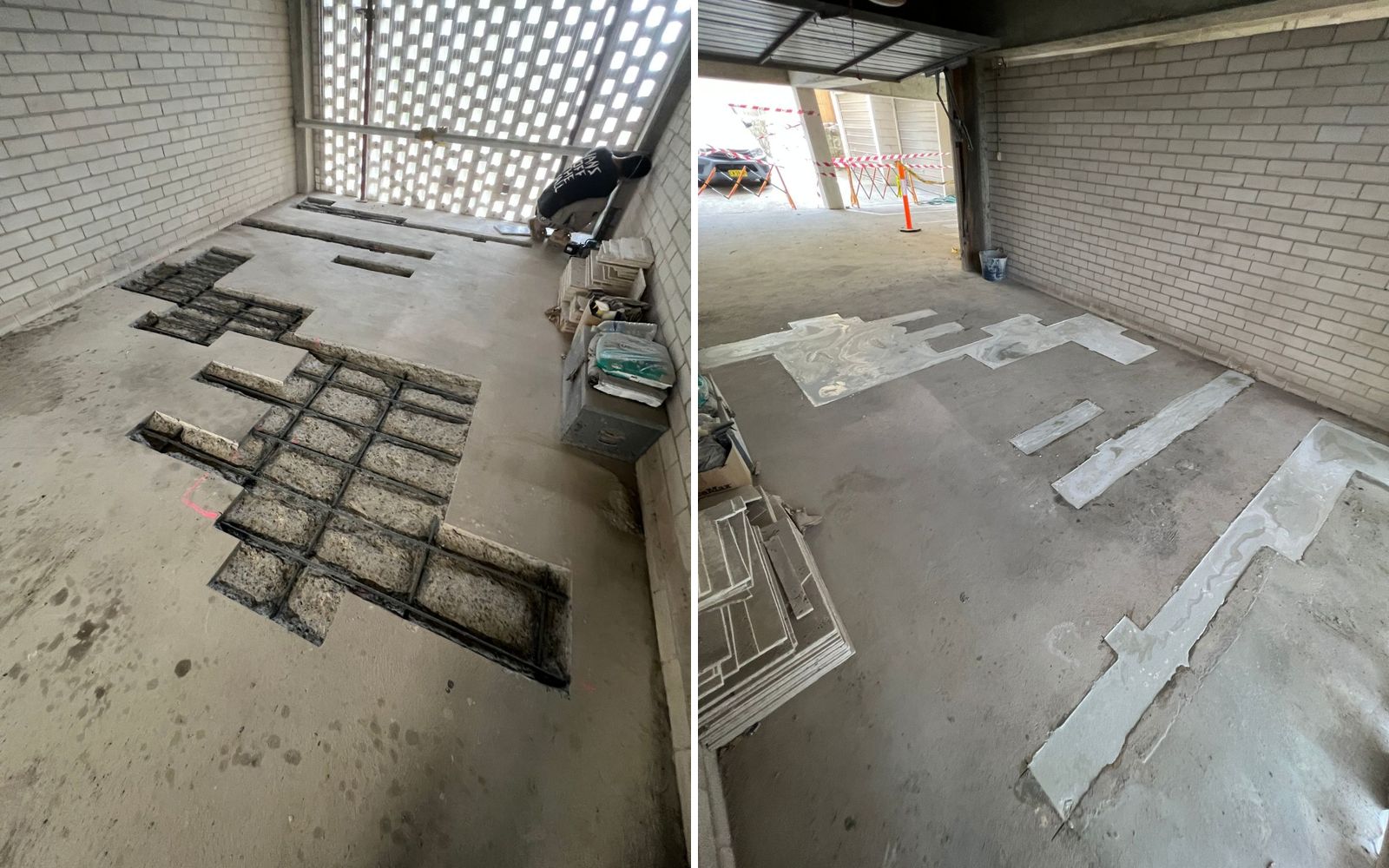
Birrell St — Tamarama
About 1,000 litres of carbonation repairs plus new crash barriers, staged so the carpark stayed open.
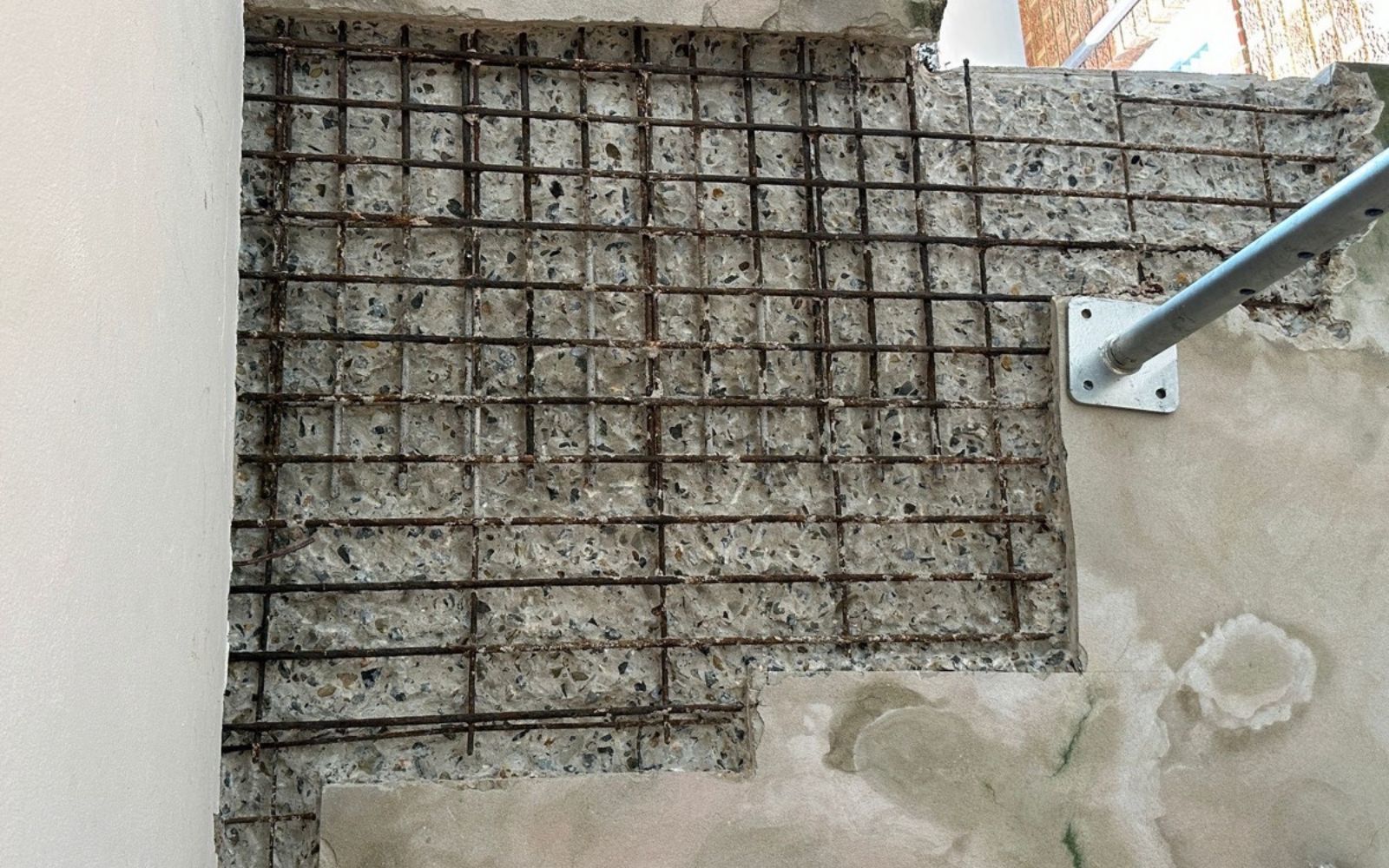
Laycock Ave — Cronulla
Stair soffit repaired with Sika MonoTop, formed and poured from above in an occupied building.
Done properly. Check us first.
Most joints leak again because the last reseal went over the top of the old bead. Ours are cut out and done from clean concrete.
From first call to joints resealed.
Send drawings, photos or just tell us where the joints are leaking.
Within the hourWe walk the joints, measure the failed runs and agree access and staging.
Quote within 7 daysA clear rate and quantity you can put straight into your program.
Fits your programRuns resealed and handed back in stages while the site keeps working.
Typical start ~2 weeks after awardWe're a fit for some projects, not all.
We'd rather tell you upfront than waste your time.
This is for you if…
- You're a head contractor, builder, remedial contractor or strata & asset manager with failed or leaking joints on a carpark, podium or slab.
- You want the old sealant cut out and the joint done properly — not a bead run over the top.
- The site is live and the work needs to be staged around traffic or trades.
- You want the runs measured and logged in lineal metres.
- You need the work staged around your program and other trades.
Probably not us if…
- You want new sealant run over the old bead to get through an inspection.
- You're after the cheapest price with no joint prep.
- It's a single domestic driveway joint.
- You need the joints sealed without anyone measuring them first.

You'll deal with the crew, not a call centre.
Joints are the scope most contractors rush — run a bead over the top, it looks fine on the day, and it's leaking again by the next wet season. We don't do that. Every failed run is cut out, cleaned back and resealed to suit the movement. Send us the project and we'll tell you straight what it needs.
What concrete joint sealing costs in Sydney.
Joint sealing is priced per lineal metre. These are our current rates, ex GST.
Cut out, clean back, prime, backing rod and reseal.
The smallest joint sealing project we take on, ex GST.
Run your quantities through our cost estimator, or send the spec for an itemised quote within 7 days.
Indicative only. Final price confirmed after a site look and the engineer's specification. Prices ex GST.
Send us the project.
Tell us where the joints are and roughly how many metres. We'll come back within the hour with next steps, book a site measure and send an itemised quote within 7 days.
Get a quote
What head contractors ask us about joint sealing.
Why did the last sealant fail?+
Do you reseal or re-cut the joint?+
What about cracks next to the joint?+
Do you do the whole carpark or just the failed runs?+
What warranty comes with the sealant system?+
Can you work on a live site?+
When can traffic go back on it?+
How is joint sealing priced?+
Cut it out. Reseal it properly. Stop paying twice.
Old sealant out, joints cleaned back and primed, backing rod to depth and a sealant matched to the movement. Send us the project or call the crew.