
A concrete crew that keeps your program on track.
Concrete repair, form-and-pour and demolition crews who work under your subcontract and site rules, to the engineer's spec — and hand over the close-out records your certifier and client will ask for.
No obligation. Every enquiry answered within 1 hour.
Get a quote.



A concrete crew that works to a head contractor's program.
Most of the delay on a concrete package doesn't come from the work itself — it comes from a crew that doesn't show, a price that isn't matched to the spec, or a variation that lands after the slab is open.
So we run the project around those failure points, in this order: price it to the spec, check what's in the concrete, turn up when booked, hand over the records. That's what keeps your program intact.
Get a quote →We price to the engineer's spec
Send the drawings or the engineer's report and we price what's specified — itemised, so you can check it against the scope and your other quotes.
We check what's in the concrete
Before we cut or break out, we scan for reinforcement, post-tension and services — so the project doesn't stop when the saw finds something.
We turn up when we said we would
Inducted, SWMS submitted and sequenced around your other trades, with a typical start about 2 weeks after award — so we're not the reason the program slips.
We hand over the records
Photos, product data and hold-point records for each stage — the close-out records your certifier, engineer and client will ask for at handover.
Where concrete packages slip — and how we close the gap.
A concrete package rarely goes wrong on the tools. It goes wrong at four points — pricing, mobilisation, the work itself and handover. Here's the trap at each one, and how we set the project up to avoid it.
Getting a price you can hold.
A one-line price with no breakdown can't be checked against the spec — and the gaps turn into variations once you've let the package.
We price line-by-line against the spec, so you can compare quotes and hold us to it.
Getting a crew on site.
The subbie who quoted can't start when you need them. The program slides and every trade behind them waits.
Every enquiry answered within 1 hour, an itemised quote within 7 days and a typical start about 2 weeks after award.
Not hitting what's in the slab.
Cut or break out blind and you hit post-tension or services. Now a demolition scope is a structural problem, the engineer is back on site and the floor is shut.
Scanned before we cut, worked to the engineer's hold points.
Proving it was done.
No photos, product data or inspection records and you can't close out with the certifier or the client. The defect comes back to you.
Records for each stage, handed over at close-out.
A late concrete trade is a program delay for every trade behind it.
Concrete work usually sits on the critical path. When it slips, the follow-on trades stand down — and the cost lands on the builder.
The trades behind it wait
Waterproofing, tiling, flooring and fit-out can't start on a slab that isn't repaired, levelled or cut. One late crew holds up several.
Rework costs more than the repair
A patch that isn't cut back to sound concrete, or a joint sealed over a dirty edge, fails — and the call-back lands with you, not the subbie who left.
It follows you to handover
Missing records hold up certification and practical completion — and an open defect sits against your name on the client's defects list.
One concrete crew for the whole package.
Most projects don't need one concrete trade — they need several. Repair, form-and-pour, demolition and sealing from one crew, one subcontract and one point of contact, instead of coordinating three subbies.
Aussie Concrete Repair vs the cheapest quote.
Two numbers on a page rarely tell the same story. Here's what the gap means once the project starts — and at handover.
How to compare concrete quotes — and what to send us.
A cheap concrete price only helps if it's priced to the same scope. Here's what a quote you can hold should contain, and what we need from you to turn one around fast.
What a concrete quote should contain
Read every quote against this. If the cheaper one is missing half of it, you're not comparing like with like — you're comparing a fixed price to an opening offer.
Priced to the spec — each item matched to the engineer's report or drawings, not an allowance.
Line-by-line pricing — each item costed separately, so you can check quantities and rates.
A start date — when the crew mobilises and how long each stage takes.
Scanning and access — who scans for steel, post-tension and services, and what access and hours the crew needs.
Defined warranties — a written term, not “warranty provided.”
Handover records — photos, product data and hold-point sign-offs for your certifier.
What to send us
The more of this you have, the faster we can price. Don't have it all? Photos and a location are enough to start.
The engineer's report or drawings — if there is one.
Any existing scope or bill of quantities — so we price to the same scope.
Site access and working hours — loading, parking, noise limits and any occupied areas.
Photos of the area — phone shots are fine.
Your program dates — so we can lock in a start that fits.
Post-tension or services drawings — if the scope involves cutting or demolition.
Program kept. Project delivered. Records handed over.
Occupied buildings, tight programs and engineer hold points. Three recent concrete packages we ran for builders and project managers.
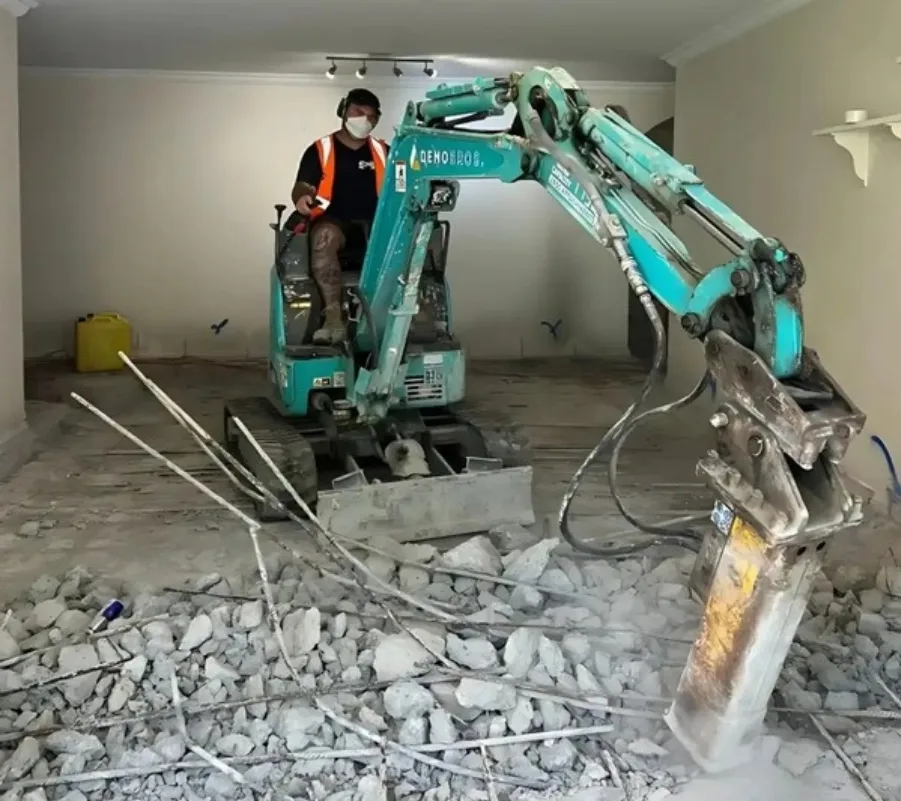
Pacific Hwy — Killara
Slab-on-ground under three occupied levels, broken out and reinstated in A-B stages to the engineer's sequence. No residents relocated.

Lamrock Ave — Bondi Beach
Failing stairs kept by pouring a new structure underneath in two propped stages. No new landings, no car spaces lost.
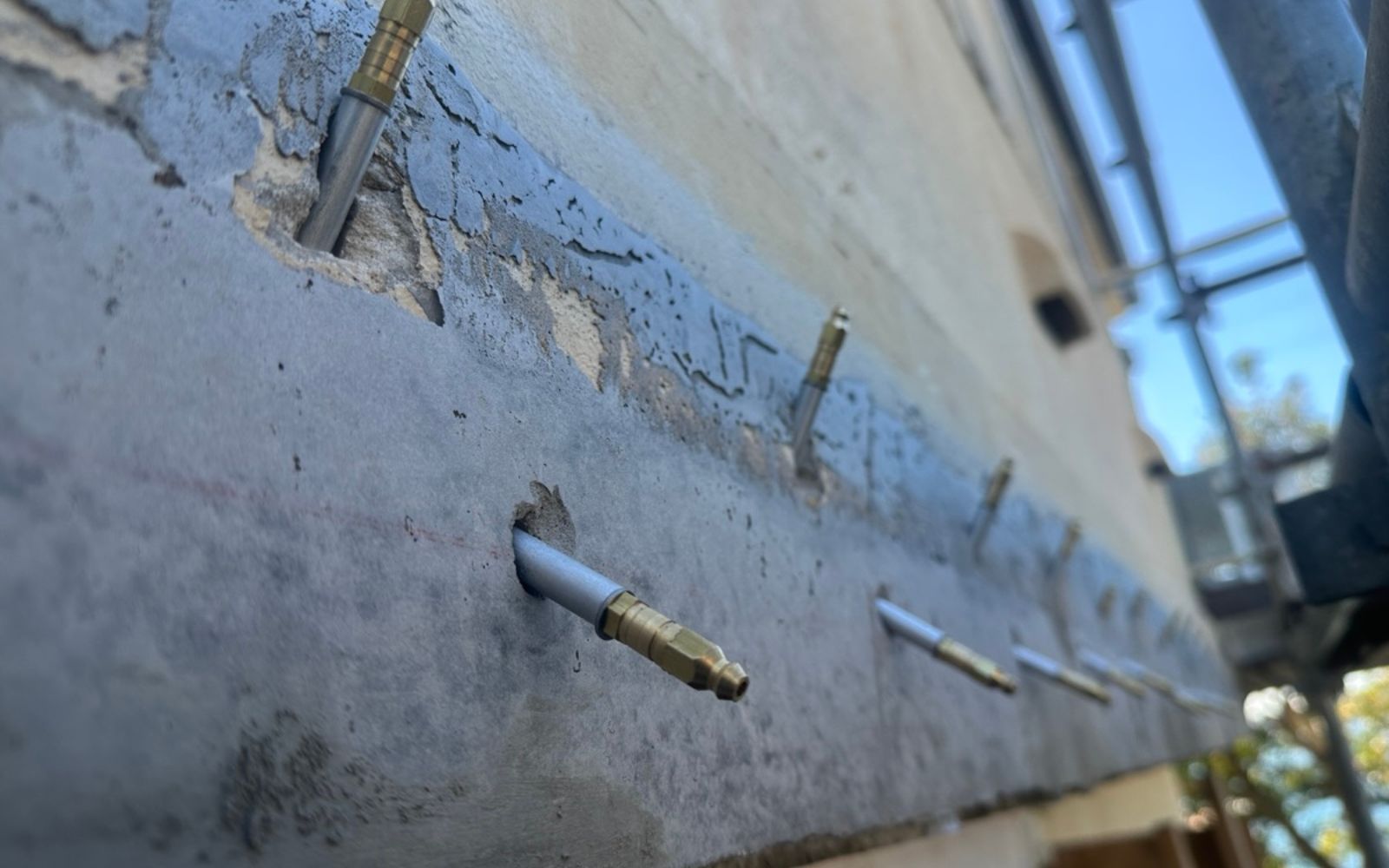
Fitzwilliam St — Vaucluse
A slab past patching, rebuilt from underneath through core holes in an occupied unit. Galvanic anodes, cold joint injected.
What concrete work costs.
Indicative project ranges, ex GST. The final number depends on the service, quantities, access and hours, and is itemised to the spec once we've seen the scope.
A single repair, crack run or joint — one crew, one visit.
One service across a floor, carpark or building — e.g. a full crack-injection or joint-sealing scope.
Repair, form-and-pour, demolition and coatings bundled into one mobilisation.
Every price is itemised against the scope — no "as required" line items that turn into variations after you've let the package.
Check us before you let the package.
You're putting part of your program in our hands. So we make the checks easy — and we'd rather you do them.
We'd rather you check than take our word for it.
From first call to a crew on site — no mystery.
We're a fit for some projects, not all.
This is for you if…
- ✓You're a head contractor or builder — including tier 1–2 — with a concrete repair, form-and-pour or demolition package to let.
- ✓You have an engineer's report, drawings or a defects list — and need it priced to the spec.
- ✓Your program needs a crew that turns up when booked and starts about 2 weeks after award.
- ✓You need prequalification, SWMS, inductions and close-out records your certifier and client will accept.
- ✓You want one crew for repair, form-and-pour, demolition and sealing instead of three subbies.
Probably not us if…
- —You're after cash work with no paperwork.
- —You want the cheapest patch to get through an inspection, not a repair that lasts.
- —The project needs a structural design and no engineer is engaged yet — we build to the engineer's spec, we don't design it.
- —You need it cut today with no scan — we scan for steel and post-tension first.

You'll deal with the crew, not a call centre.
Concrete is all we do. We answer every enquiry within 1 hour, price to the spec, turn up when booked and hand over the records — so the concrete trade isn't the one holding up your project.
What head contractors & builders ask us.
How fast can you get a crew on site?+
Do you price to the engineer's spec?+
Do you scan before cutting or demolition?+
What if more damage is found once the concrete is open?+
Can you work around other trades and an occupied building?+
Are you licensed?+
What should I send to get a quote?+
What records do you hand over?+
Which services can you cover in one package?+
Do you work as a subcontractor to head contractors and builders?+
Can you work around occupied buildings and site hours?+
Tell us about the project.
Send the engineer's report, drawings or just photos. Every enquiry answered within 1 hour.